Arnica Montana: A naturopathic guide to bruises, muscle pain, sprains, inflammation and safe topical use

Arnica Montana is one of the best-known medicinal plants traditionally used in European herbal medicine for minor injuries, bruising and muscular discomfort.
Its characteristic yellow flowers have been used to prepare tinctures, extracts, creams, gels, ointments, compresses and other topical herbal preparations.
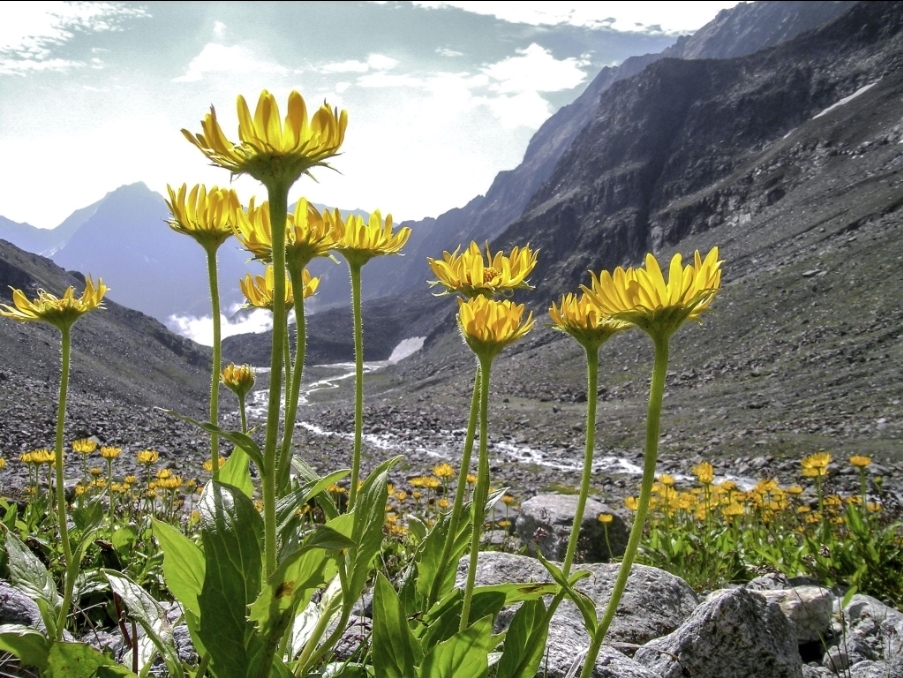
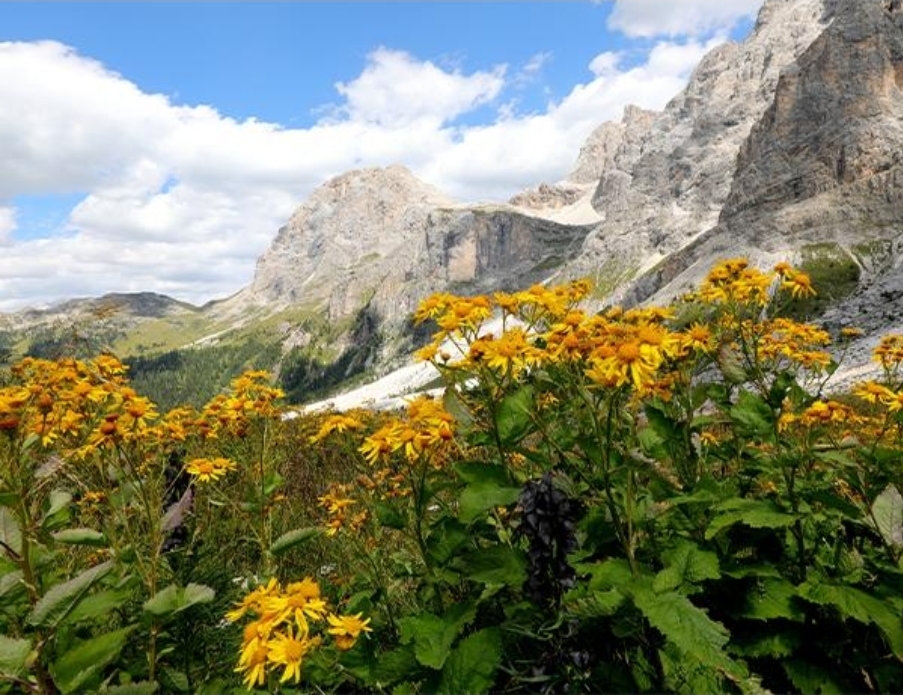
The European Medicines Agency recognises preparations made from arnica flowers as traditional herbal medicinal products for the relief of bruises, sprains and localised muscle pain. This recognition is based primarily on long-standing traditional use rather than strong clinical evidence from large modern trials.
Modern research has identified several biologically active compounds within Arnica Montana, particularly sesquiterpene lactones such as helenalin and derivatives of dihydrohelenalin. These compounds have attracted scientific interest because of their effects on inflammatory pathways.
However, the fact that a plant contains pharmacologically active compounds also means that it requires appropriate use.
Herbal Arnica Montana preparations are generally intended for external use. Concentrated herbal arnica should not be treated like an ordinary herbal tea or oral supplement because ingestion of non-homeopathic arnica preparations can be toxic.
It is also important to distinguish phytotherapeutic arnica from homeopathic arnica. Herbal creams and gels containing measurable arnica extracts are not equivalent to highly diluted homeopathic preparations.
From a naturopathic perspective, arnica can therefore be viewed as a traditional topical botanical that may have a place within a broader recovery strategy involving appropriate rest, movement, nutrition and medical assessment when necessary.
In this guide, you will learn:
- What Arnica montana is.
- Where the plant originates.
- Which part of the plant is traditionally used.
- What arnica naturally contains.
- What helenalin is.
- How arnica may influence inflammatory pathways.
- Arnica and bruising.
- Arnica and muscle pain.
- Arnica and sprains.
- Arnica and sports recovery.
- Arnica and joint discomfort.
- Arnica and osteoarthritis.
- Arnica after physical trauma.
- Arnica after surgery.
- Arnica cream, gel, oil and tincture.
- The difference between herbal and homeopathic arnica.
- Whether arnica can be taken internally.
- Possible side effects.
- Allergic reactions and skin sensitivity.
- Arnica during pregnancy and breastfeeding.
- A naturopathic approach to physical recovery.
- Frequently asked questions.
- Practical considerations.
- Scientific references.
What is Arnica Montana?
Arnica Montana is a perennial flowering plant belonging to the Asteraceae family.
This botanical family also includes plants such as daisies, sunflowers and chamomile.
Arnica is native to mountainous and temperate regions of Europe and is particularly associated with mountain meadows.
The plant produces distinctive yellow-orange flower heads.
The medicinal material most commonly recognised in European herbal medicine is the flower head, known pharmaceutically as Arnicae flos.
Historically, arnica preparations have been applied externally following minor physical injuries.
Traditional applications include:
Bruises.
Sprains.
Localised muscle discomfort.
Minor soft-tissue trauma.
Modern commercial products include creams, gels, ointments and other topical preparations.
What does Arnica Montana naturally contain?
Arnica montana contains a complex mixture of naturally occurring phytochemicals.
These include:
Sesquiterpene lactones.
Helenalin derivatives.
Dihydrohelenalin derivatives.
Flavonoids.
Phenolic acids.
Coumarins.
Essential-oil constituents.
Carotenoids.
Other secondary plant metabolites.
Research has particularly focused on the sesquiterpene lactones because they appear to contribute significantly to arnica's biological activity.
The chemical composition can vary according to factors including geographical origin, plant variety and preparation method.
This means that different arnica products are not necessarily pharmacologically identical.
What Is Helenalin?
Helenalin is a naturally occurring sesquiterpene lactone found in Arnica montana.
It is considered one of the important biologically active constituents associated with the plant's anti-inflammatory activity.
Laboratory research suggests that helenalin can influence inflammatory signalling, including the transcription factor NF-kappa B, commonly abbreviated as NF-κB.
NF-κB participates in the regulation of numerous genes involved in inflammatory and immune responses.
This provides a biologically plausible explanation for some of the traditional topical applications of arnica.
However, biological activity does not mean that purified helenalin should be used independently as a treatment.
Helenalin can also irritate tissues and contribute to allergic reactions, demonstrating why naturally occurring compounds can have both potentially useful and undesirable biological effects.
Arnica Montana and Inflammation
Inflammation is part of the body's normal response to tissue injury.
Following minor trauma, the affected area may develop:
Pain.
Swelling.
Warmth.
Tenderness.
Reduced movement.
Inflammation assists tissue repair, although excessive or persistent inflammation may contribute to discomfort.
Laboratory research suggests that sesquiterpene lactones from arnica can influence inflammatory signalling pathways.
Helenalin has been shown experimentally to inhibit activation of NF-κB, an important regulator of inflammatory signalling.
This mechanism helps explain why arnica has historically been used topically for inflammatory musculoskeletal complaints.
However, laboratory mechanisms should not be interpreted as proof that arnica treats every inflammatory condition.
Clinical evidence varies considerably depending on the condition, formulation and study design.
Arnica Montana and Bruising
Bruising occurs when small blood vessels beneath the skin are damaged, allowing blood to leak into surrounding tissues.
It commonly follows:
Minor trauma.
Falls.
Sports injuries.
Accidental impacts.
Some medical or cosmetic procedures.
Arnica is perhaps most commonly associated with the traditional treatment of bruises.
The European Medicines Agency recognises topical arnica preparations for relief of bruising on the basis of traditional use.
Clinical studies examining bruising have produced mixed results.
Some small studies have suggested reductions in bruising with particular topical arnica preparations, while others have failed to demonstrate significant advantages over placebo. The EMA therefore concludes that firm conclusions cannot currently be drawn from the clinical evidence.
Arnica should therefore be regarded as a traditional topical option rather than a guaranteed treatment for bruising.
Unexplained, frequent or unusually severe bruising requires medical assessment.
Arnica Montana and muscle pain
Muscle discomfort may develop following:
Exercise.
Physical work.
Minor strain.
Unaccustomed activity.
Sports participation.
Topical arnica has traditionally been applied to areas of localised muscular discomfort.
The European Medicines Agency includes localised muscle pain among the traditional indications for topical arnica flower preparations.
Clinical research remains limited.
A randomised controlled trial investigating topical arnica after calf exercise did not establish a clear overall benefit sufficient to make broad therapeutic conclusions.
Therefore, arnica may be considered a complementary topical approach for minor muscular discomfort, but persistent, severe or unexplained muscle pain requires appropriate assessment.
Arnica Montana and sprains
A sprain involves injury to ligaments surrounding a joint.
Common locations include:
Ankle.
Wrist.
Knee.
Symptoms may include pain, swelling, bruising and difficulty using the affected joint.
Topical arnica preparations have a long history of traditional use for minor sprains, and this indication is recognised by the European Medicines Agency.
However, arnica does not repair a torn ligament or exclude the possibility of a fracture.
Significant swelling, inability to bear weight, joint instability, deformity or severe pain requires appropriate clinical assessment.
Arnica Montana and sports recovery
Because arnica is traditionally associated with muscular discomfort and minor trauma, it is frequently marketed to physically active people.
After strenuous exercise, temporary muscle soreness can occur as tissues adapt to unfamiliar physical demands.
A naturopathic recovery strategy may include:
Appropriate rest.
Gradual return to activity.
Adequate hydration.
Sufficient protein and energy intake.
Appropriate sleep.
Gentle mobility where suitable.
Topical arnica may be used by some individuals as an additional measure for localised discomfort.
However, it should not be used to mask significant pain so that an injured person can continue training.
Pain that is severe, persistent or associated with weakness, substantial swelling or loss of function requires further assessment.
Arnica Montana and joint discomfort
Arnica has also been investigated for joint discomfort.
Topical preparations have been studied in people with osteoarthritis, particularly osteoarthritis affecting the hands and knees.
The available evidence is limited but has produced some interesting findings.
A Cochrane review identified a study involving 174 people with hand osteoarthritis in which an arnica extract gel produced broadly similar outcomes to topical ibuprofen over three weeks, although the evidence came from a single study and adverse events were somewhat more frequent in the arnica group.
This does not establish arnica as universally equivalent to anti-inflammatory medication.
More robust studies are required.
Arnica Montana and osteoarthritis
Osteoarthritis is a chronic joint disorder involving changes in cartilage, bone and surrounding tissues.
Common symptoms include:
Joint pain.
Stiffness.
Reduced mobility.
Functional limitations.
Arnica gel has been investigated as a topical option for osteoarthritis symptoms.
Some studies have reported improvements in pain and function, but several trials have methodological limitations, including small sample sizes or absence of placebo controls.
Therefore, arnica should not be presented as a treatment capable of reversing osteoarthritis.
From an integrative perspective, osteoarthritis management may also involve appropriate exercise, weight management where relevant, physiotherapy, medication and other interventions according to individual needs.
Arnica Montana after physical trauma
Minor physical trauma can produce localised pain, swelling and bruising.
This is one of the traditional areas in which arnica has historically been used.
However, an important distinction must be made between minor trauma and potentially serious injury.
Arnica should never delay assessment when symptoms suggest:
Fracture.
Significant ligament injury.
Head injury.
Internal bleeding.
Severe swelling.
Loss of sensation.
Loss of movement.
Persistent severe pain.
A herbal preparation can complement appropriate care for minor symptoms but cannot replace diagnosis when the severity of an injury is uncertain.
Arnica Montana after surgery
Arnica has also been investigated for postoperative bruising, swelling and discomfort.
Studies have produced variable results, partly because different preparations, concentrations and study designs have been used.
Reviews have reported potentially beneficial findings in certain postoperative settings, but the overall evidence is not sufficiently consistent to conclude that arnica should routinely replace established postoperative pain management.
Anyone considering arnica before or after surgery should discuss it with the surgical or medical team.
Topical products should not be applied directly to surgical wounds unless specifically approved by the treating clinician.
Arnica Cream
Arnica cream is one of the most common commercial preparations.
It typically contains an arnica extract incorporated into a cream base.
Creams may be convenient for application to localised areas of intact skin.
The exact concentration and extraction method vary between products.
For this reason, users should follow the directions provided with the specific licensed or regulated product rather than assuming that every arnica cream should be used in the same way.
Arnica Gel
Arnica gel is another common topical preparation.
Gel formulations are frequently marketed for:
Bruising.
Minor muscular discomfort.
Sprains.
Sports-related soreness.
Some clinical research on arnica has specifically investigated gel preparations.
However, evidence from one formulation cannot automatically be transferred to every commercially available arnica gel because concentrations and extraction methods differ.
Arnica Oil
Arnica-infused oils are commonly used in traditional massage and natural wellness practices.
They may be incorporated into massage oils or topical products.
Arnica oil should still be treated as an active botanical preparation.
It should not automatically be applied to damaged or broken skin.
People with sensitive skin or allergies to plants in the Asteraceae family should be particularly cautious.
Arnica tincture
Arnica tincture contains plant constituents extracted into alcohol or another suitable solvent.
Tinctures may contain substantially concentrated botanical constituents.
Traditional arnica tinctures are intended for appropriate external use and may require dilution depending on the formulation.
Concentrated tincture should not simply be applied indiscriminately to the skin.
Users should follow the instructions for the particular medicinal product.
Herbal arnica tincture should not be swallowed.
Herbal Arnica versus Homeopathic Arnica
This distinction is particularly important.
A phytotherapeutic arnica product contains measurable quantities of Arnica montana extract and its plant constituents.
Examples include:
Arnica creams.
Arnica gels.
Arnica tinctures.
Arnica ointments.
Homeopathic products are prepared using serial dilution processes and may contain extremely small quantities of the original substance or, at sufficiently high dilutions, no measurable molecules of the original plant.
Therefore, research investigating topical herbal arnica extracts should not automatically be used as evidence for homeopathic arnica.
They are fundamentally different preparations.
When discussing evidence for arnica, the formulation must always be identified.
Can Arnica Montana be taken internally?
Concentrated herbal Arnica montana preparations should not be taken orally unless they are part of a specifically authorised medicinal formulation under appropriate professional guidance.
Traditional non-homeopathic arnica extracts can be toxic when ingested.
Reported toxicity from oral exposure has included gastrointestinal irritation, dizziness and potentially serious cardiovascular and systemic effects. Historical reports include severe poisoning after ingestion of concentrated tinctures.
This is one of the most important safety distinctions surrounding arnica.
The fact that arnica is a medicinal plant does not mean that it is safe to prepare as an ordinary herbal tea or swallow as a homemade extract.
Arnica Montana and broken skin
Arnica preparations covered by the EMA herbal monograph should not be applied to broken skin.
This includes areas with:
Open wounds.
Cuts.
Significant abrasions.
Damaged skin.
Application to damaged tissue may increase irritation and potentially increase absorption of active constituents.
Products should also generally be kept away from the eyes and mucous membranes. The EMA's more recent assessment documentation reinforces these precautions.
Arnica Montana and allergic reactions
Arnica belongs to the Asteraceae family.
People who are sensitive to plants within this botanical family may have a greater risk of reacting to arnica.
Potential topical reactions include:
Itching.
Redness.
Eczema.
Contact dermatitis.
Skin irritation.
The European Medicines Agency specifically identifies itching, redness and eczema among reported adverse effects.
If significant irritation develops, the product should be discontinued and appropriate advice sought.
Arnica Montana during pregnancy and breastfeeding
Safety during pregnancy and breastfeeding has not been adequately established.
The EMA monograph states that, because sufficient safety data are unavailable, use during pregnancy is not recommended.
Oral herbal arnica should be avoided.
Pregnant or breastfeeding individuals considering topical arnica should seek advice from an appropriate healthcare professional and follow the instructions for the specific product.
Arnica Montana in children
According to the established EMA monograph, the traditional topical use of arnica flower preparations is intended for adults and adolescents aged 12 years and over.
Use in children under 12 has not been established because adequate data are lacking.
Parents should therefore follow age restrictions provided with the specific medicinal product rather than assuming that a natural topical preparation is suitable for every child.
How long should Arnica be used?
Arnica is generally associated with short-term topical use for minor symptoms.
The EMA advises that if symptoms persist for longer than approximately three to four days or worsen while using an arnica medicinal product, a doctor or qualified healthcare practitioner should be consulted.
Persistent pain or swelling may indicate an injury or medical condition requiring further investigation.
Continuing to apply a topical product indefinitely without understanding the cause of symptoms is not an appropriate substitute for assessment.
Arnica Montana in a naturopathic approach
From a naturopathic perspective, arnica can be considered within the broader context of recovery rather than as an isolated solution.
A useful assessment considers:
- What caused the pain or bruising.
- Whether an injury has occurred.
- The severity of symptoms.
- Whether swelling is improving or worsening.
- Mobility and function.
- Skin integrity.
- Existing allergies.
- Medication.
- Medical history.
- Exercise and physical workload.
- Nutrition.
- Hydration.
- Sleep and recovery.
For a minor muscular strain, for example, topical arnica may form one small component of a broader strategy.
However, identifying why pain developed remains more important than repeatedly suppressing the sensation.
Arnica should not replace the foundations of recovery
Recovery from physical activity and minor musculoskeletal stress depends on more than topical products.
Important foundations include:
Appropriate rest.
Gradual movement.
Adequate protein intake.
Sufficient overall energy intake.
Hydration.
Micronutrient adequacy.
Quality sleep.
Appropriate rehabilitation.
Progressive return to activity.
When necessary, physiotherapy, medical investigation or other professional care may also be required.
Arnica should therefore be regarded as a potential complementary topical option rather than the foundation of musculoskeletal recovery.
Practical considerations for using Arnica Montana
From a naturopathic and evidence-informed perspective, consider the following:
- Use herbal arnica primarily as an external preparation.
- Follow the instructions provided with the specific product.
- Do not swallow topical arnica tinctures, gels or creams.
- Do not apply arnica to broken skin.
- Avoid contact with the eyes and mucous membranes.
- Stop use if significant skin irritation develops.
- Avoid use if you have a known allergy to arnica or relevant Asteraceae plants.
- Do not assume that stronger concentrations are more effective.
- Remember that arnica cream, gel, tincture and homeopathic preparations are not equivalent.
- Do not use arnica to mask a significant sports injury.
- Seek assessment for severe pain, substantial swelling or loss of function.
- Seek medical attention for unexplained or recurrent bruising.
- Follow age restrictions on the product.
- Seek professional advice during pregnancy or breastfeeding.
- Consider nutrition, sleep, hydration, movement and rehabilitation as part of physical recovery.
Arnica Montana is one of the most established plants in the European tradition of topical herbal medicine.
Its distinctive yellow flowers contain biologically active constituents, particularly sesquiterpene lactones such as helenalin and dihydrohelenalin derivatives.
Laboratory research provides plausible mechanisms for the plant's anti-inflammatory activity, including effects on NF-κB-related signalling.
Its traditional topical uses for bruises, sprains and localised muscle pain are recognised by the European Medicines Agency. However, this recognition is based primarily on long-standing traditional use, because the available clinical trials remain insufficient to establish strong evidence of efficacy.
This distinction is important.
Traditional use, biological plausibility and clinical proof represent different levels of evidence.
Arnica may therefore have a reasonable place as a complementary topical botanical for minor musculoskeletal discomfort, but claims should remain proportionate to the evidence.
Safety is equally important.
Herbal arnica is primarily an external remedy. Concentrated non-homeopathic preparations should not be swallowed, should not be applied to broken skin and can produce allergic skin reactions in susceptible individuals.
From a naturopathic perspective, the most appropriate role for arnica is within a broader approach to physical recovery.
Rest, appropriate movement, nutrition, hydration, sleep and rehabilitation remain fundamental.
When pain, swelling or bruising is severe, persistent, unexplained or accompanied by loss of function, determining the underlying cause is more important than simply applying a topical remedy.
Arnica illustrates an important principle of evidence-informed herbal medicine: natural substances can possess genuine biological activity, but responsible use requires understanding both their potential benefits and their limitations.
Frequently asked questions
- What Is Arnica Montana?
- Arnica montana is a perennial flowering plant belonging to the Asteraceae family. Its flower heads have a long history of use in European herbal medicine, particularly in topical preparations for bruises, sprains and localised muscular discomfort.
- What Is Arnica Used For?
- Traditional topical uses include relief of: - Bruises. - Minor sprains. - Localised muscle pain. These uses are recognised by the European Medicines Agency on the basis of long-standing traditional use.
- Does Arnica Help Bruises?
- Arnica has a long history of traditional use for bruising. Some clinical studies have suggested potential benefits, while others have not demonstrated clear differences from placebo. The overall clinical evidence remains insufficient for firm conclusions.
- Does Arnica Reduce Inflammation?
- Compounds found in arnica, particularly sesquiterpene lactones such as helenalin, demonstrate anti-inflammatory activity in experimental research. Helenalin can influence inflammatory signalling pathways including NF-κB. However, laboratory mechanisms do not prove effectiveness for every inflammatory condition.
- Is Arnica Good for Muscle Pain?
- Topical arnica is traditionally used for localised muscle pain. Clinical evidence is limited and varies according to the preparation and condition being studied.
- Is Arnica Good for Sprains?
- Arnica preparations have traditionally been used for minor sprains. However, significant sprains may require assessment, particularly when there is severe swelling, inability to bear weight or joint instability.
- Can Arnica Help Arthritis?
- Some research has investigated topical arnica for osteoarthritis. A Cochrane review identified limited evidence suggesting that an arnica gel may provide symptom relief comparable to topical ibuprofen in one study of hand osteoarthritis, but this evidence is not sufficient to conclude that arnica is generally equivalent to NSAIDs.
- Can I Use Arnica After Exercise?
- Topical arnica may be used by some people for localised muscular discomfort following exercise. It should not be used to hide significant pain or allow continued exercise through an injury.
- Can I Put Arnica on an Open Wound?
- No. EMA guidance states that arnica preparations should not be applied to broken skin.
- Can I Drink Arnica Tea?
- Concentrated herbal Arnica montana should not be consumed like an ordinary herbal tea. Non-homeopathic arnica preparations can be toxic when taken internally.
- Can I Swallow Arnica Tincture?
- Herbal arnica tincture intended for topical use should not be swallowed. Ingestion of concentrated arnica preparations has been associated with serious toxicity.
- Is Arnica Safe Every Day?
- Topical arnica is generally intended for short-term use according to the directions of the specific product. Repeated or prolonged use may increase the likelihood of skin irritation or sensitisation in susceptible individuals. Persistent symptoms should be investigated rather than managed indefinitely with topical arnica.
- Can Arnica Cause an Allergic Reaction?
- Yes. Reported reactions include itching, redness, eczema and contact dermatitis. People with known hypersensitivity to Asteraceae plants should avoid arnica preparations where indicated.
- Is Arnica Safe During Pregnancy?
- Safety has not been adequately established. The EMA states that use during pregnancy is not recommended in the absence of sufficient safety data.
- Is Arnica Homeopathic?
- Arnica can be used in both herbal medicine and homeopathy, but the preparations are different. Herbal arnica contains measurable botanical extracts. Homeopathic arnica is prepared through serial dilution. Evidence relating to one preparation should not automatically be applied to the other.
- Is Arnica a Painkiller?
- Arnica should not simply be described as a conventional painkiller. It is a traditional herbal topical preparation used for localised muscle pain, bruises and sprains. Its active plant constituents demonstrate biological effects on inflammatory pathways, but clinical evidence is more limited than for established analgesic medications.
Important Disclaimer: This article is provided for general educational and informational purposes only. It is not intended to diagnose, treat, cure or prevent any medical condition and should not replace advice from a doctor or appropriately qualified healthcare professional. Supplements and natural products may cause side effects or interact with prescription medicines. Always seek appropriate professional advice before starting a new supplement or treatment, particularly if you have an existing medical condition or take medication.
References
- European Medicines Agency – Arnica Flower, https://www.ema.europa.eu/en/medicines/herbal/arnicae-flos
- EMA – Arnica Montana Herbal Monograph, https://www.ema.europa.eu/en/documents/herbal-monograph/final-community-herbal-monograph-arnica-montana-l-flos_en.pdf
- PubMed – Arnica montana: A Plant of Healing, https://pubmed.ncbi.nlm.nih.gov/28401567/
- PubMed – Helenalin and NF-kappaB, https://pubmed.ncbi.nlm.nih.gov/9348104/
- PubMed – Topical Herbal Therapies for Osteoarthritis, https://pubmed.ncbi.nlm.nih.gov/23728701/
- PubMed – Effect of Topical Arnica on Muscle Pain, https://pubmed.ncbi.nlm.nih.gov/20807867/
- PubMed – Systematic Review of Arnica Formulations, https://pubmed.ncbi.nlm.nih.gov/39520030/