Moringa Oleifera: A naturopathic guide to nutritional benefits, antioxidants, inflammation, blood sugar and cardiovascular health

Moringa oleifera, commonly known as moringa, the drumstick tree or the miracle tree, is a tropical plant that has attracted considerable interest in traditional herbal medicine, nutrition and modern scientific research.
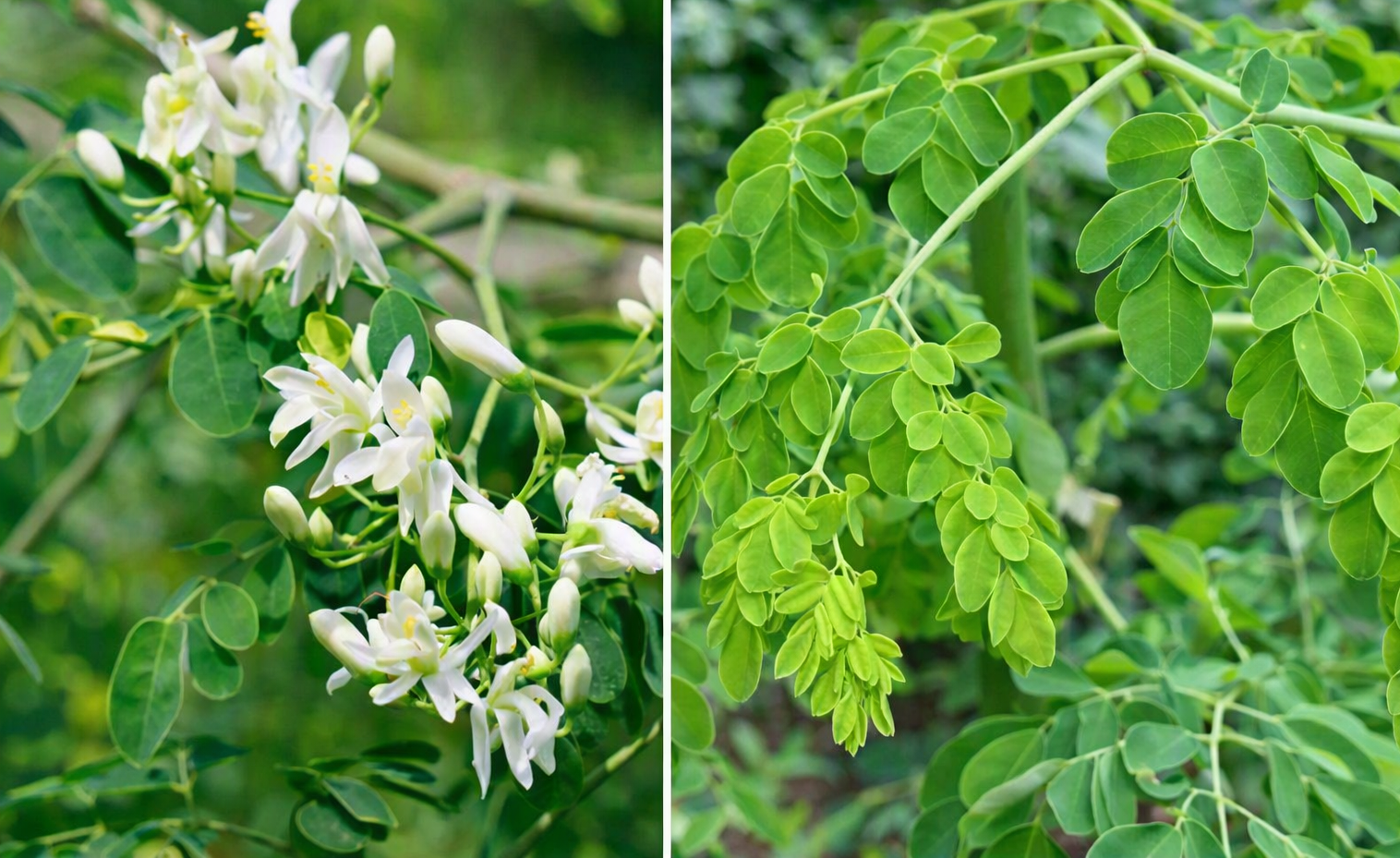
Native to parts of the Indian subcontinent, moringa is now cultivated across many tropical and subtropical regions.
Its leaves, immature seed pods, seeds and other parts have been used traditionally for food and various health-related purposes.
Moringa leaves are particularly notable because they contain protein, dietary fibre, vitamins, minerals, carotenoids and a range of phytochemicals.
These include flavonoids such as quercetin and kaempferol, phenolic acids, glucosinolates and isothiocyanates.
The plant has been investigated for potential antioxidant, anti-inflammatory, metabolic and cardiovascular effects.
However, an important distinction must be made between the nutritional value of moringa as a food and the therapeutic claims associated with concentrated moringa supplements.
Although laboratory and animal studies have identified several potentially beneficial biological activities, human clinical evidence remains limited for many proposed medicinal applications.
Moringa should therefore not be presented as a cure for diabetes, hypertension, inflammatory disease, cancer or other serious medical conditions.
From a naturopathic perspective, moringa is best understood as a nutrient-containing plant food with interesting phytochemical properties and possible complementary applications that require careful interpretation of the evidence.
In this guide, you will learn:
- What Moringa oleifera is.
- Which parts of the moringa plant are used.
- What moringa naturally contains.
- What moringa polyphenols are.
- What glucosinolates and isothiocyanates are.
- Moringa and nutritional wellbeing.
- Moringa and antioxidant activity.
- Moringa and inflammation.
- Moringa and blood sugar.
- Moringa and insulin sensitivity.
- Moringa and cholesterol.
- Moringa and cardiovascular health.
- Moringa and blood pressure.
- Moringa and digestive health.
- Moringa and the immune system.
- Moringa and liver health.
- Moringa and kidney health.
- Moringa and skin health.
- Moringa and bone health.
- Moringa and weight management.
- The differences between moringa leaves, powder, tea, seeds and oil.
- Potential side effects and medication interactions.
- Moringa during pregnancy and breastfeeding.
- Moringa within a naturopathic approach.
- Frequently asked questions.
- Practical considerations.
- Scientific references.
What is Moringa Oleifera?
Moringa oleifera is a fast-growing tree belonging to the Moringaceae family.
It is commonly known as the drumstick tree because of its long, slender seed pods.
It is also sometimes called the horseradish tree because of the pungent flavour associated with its roots.
The plant is cultivated in many parts of Asia, Africa and other tropical or subtropical regions.
Different parts of moringa have culinary or traditional uses.
These include:
Leaves.
Immature seed pods.
Seeds.
Flowers.
Seed oil.
Roots.
Bark.
However, not all parts of the plant have the same nutritional composition or safety profile.
The leaves and edible immature pods are commonly used as foods.
Roots, bark and concentrated preparations require greater caution because some constituents may present safety concerns.
What does Moringa naturally contain?
Moringa leaves contain a variety of naturally occurring nutrients and phytochemicals.
These include:
- Plant protein.
- Dietary fibre.
- Beta-carotene and other carotenoids.
- Vitamin C.
- Vitamin E.
- B-group vitamins.
- Calcium.
- Iron.
- Magnesium.
- Potassium.
- Zinc.
- Flavonoids.
- Phenolic acids.
- Glucosinolates.
- Isothiocyanates.
The exact nutritional composition depends on growing conditions, harvesting, processing, drying and storage.
Fresh leaves and dried moringa powder are not nutritionally identical.
For example, drying concentrates some nutrients by removing water, but processing and storage can reduce heat-sensitive vitamins.
The presence of iron or calcium in moringa does not necessarily mean that all of these minerals are fully absorbed by the body.
Moringa also contains plant compounds that can influence mineral bioavailability.
Therefore, nutritional claims should consider both the measured nutrient content and the amount realistically consumed.
What are Moringa Polyphenols?
Polyphenols are naturally occurring plant compounds involved in various protective functions.
Moringa contains several polyphenols, including quercetin, kaempferol and phenolic acids.
These compounds have been investigated for their antioxidant and anti-inflammatory properties.
Experimental research suggests that some moringa polyphenols can influence cellular signalling pathways associated with oxidative stress and inflammation.
However, effects demonstrated in isolated cells or animal experiments do not automatically establish therapeutic benefits in humans.
The concentrations used in experimental studies may also differ considerably from those obtained through ordinary dietary consumption.
What are Glucosinolates and Isothiocyanates?
Glucosinolates are naturally occurring compounds found in moringa and several other edible plants.
When plant tissues are damaged or processed, glucosinolates may be converted into isothiocyanates through enzymatic reactions.
Moringa contains distinctive glucosinolates, including glucomoringin.
One of the compounds derived from glucomoringin is moringin, an isothiocyanate investigated for its biological activity.
Experimental research has explored moringa isothiocyanates in relation to inflammation, oxidative stress and metabolic regulation.
However, these findings are primarily mechanistic and preclinical.
They do not demonstrate that moringa supplements can independently treat inflammatory or metabolic diseases.
Moringa and Nutritional Wellbeing
One of the most established advantages of moringa is its value as a food.
Moringa leaves can contribute nutrients to the diet, particularly where access to diverse vegetables is limited.
They provide plant-derived protein, micronutrients and phytochemicals.
Moringa leaves may be incorporated into soups, stews, vegetable dishes and other meals.
Dried moringa powder can also be used as a food ingredient.
However, moringa should not be described as nutritionally complete.
It cannot independently supply every nutrient required for good health.
A varied diet remains essential, including appropriate sources of protein, healthy fats, carbohydrates, vitamins, minerals and fibre.
Moringa and Antioxidant Activity
Moringa leaves contain antioxidant compounds, including flavonoids, carotenoids and phenolic acids.
Antioxidants participate in processes that help regulate oxidative reactions.
Oxidative stress develops when reactive molecules and antioxidant defence mechanisms become imbalanced.
Laboratory research has demonstrated antioxidant activity in several moringa preparations.
However, antioxidant capacity measured in a laboratory does not necessarily predict disease prevention in humans.
The body also maintains its own antioxidant defence systems.
Moringa may contribute antioxidant-containing compounds as part of a varied plant-rich diet, but it should not be presented as a treatment for oxidative stress-related diseases.
Moringa and Inflammation
Inflammation is a normal physiological response to infection, injury and other biological challenges.
Moringa contains compounds that have demonstrated anti-inflammatory activity in experimental studies.
These include certain flavonoids and isothiocyanates.
Laboratory research has investigated their potential effects on inflammatory signalling pathways.
However, the majority of evidence for these mechanisms comes from laboratory and animal research.
There is insufficient robust clinical evidence to recommend moringa as a treatment for chronic inflammatory diseases.
People with persistent inflammation-related symptoms require appropriate medical evaluation.
Moringa and Blood Sugar
Moringa has attracted considerable interest in relation to blood glucose regulation.
Some small human studies have investigated whether moringa leaf preparations influence blood glucose levels.
Experimental research has also examined possible effects on glucose absorption, insulin signalling and metabolic regulation.
However, clinical studies vary in their design, preparation, dose, duration and participant characteristics.
The available human evidence is not sufficiently consistent or strong to establish moringa as an effective treatment for diabetes.
People taking insulin or glucose-lowering medication should exercise caution with concentrated moringa supplements because additive glucose-lowering effects are theoretically possible.
Moringa should never replace prescribed diabetes medication, blood glucose monitoring or appropriate dietary management.
Moringa and Insulin Sensitivity
Insulin is a hormone that helps regulate glucose movement from the bloodstream into cells.
Insulin resistance occurs when cells respond less effectively to insulin.
Some experimental studies suggest that compounds within moringa may influence pathways associated with glucose metabolism and insulin sensitivity.
However, laboratory findings should not be interpreted as proof that moringa reverses insulin resistance in humans.
Clinical outcomes depend on numerous factors, including body composition, physical activity, dietary patterns, sleep, genetics and existing medical conditions.
More rigorous human studies are required.
Moringa and Cholesterol
Moringa has been investigated for potential effects on blood lipid levels.
Some animal studies and small human studies have reported changes in cholesterol-related measurements.
However, the clinical evidence remains limited and inconsistent.
It is not established that moringa reliably reduces LDL cholesterol or prevents cardiovascular events.
People with elevated cholesterol should continue evidence-based management, including dietary changes, physical activity and prescribed medication when indicated.
Moringa may be included as a food within a balanced diet, but it should not replace lipid-lowering treatment.
Moringa and Cardiovascular Health
Cardiovascular health depends on the condition and function of the heart and blood vessels.
Moringa contains phytochemicals that have been investigated for potential effects on oxidative stress, inflammation, glucose metabolism and lipid regulation.
These mechanisms are relevant to cardiovascular research.
However, there is currently insufficient clinical evidence to conclude that moringa prevents heart attacks, strokes or other cardiovascular diseases.
The strongest foundations of cardiovascular prevention remain blood pressure management, cholesterol control, smoking cessation, physical activity, balanced nutrition and appropriate medical care.
Moringa and Blood Pressure
Moringa has been studied experimentally for possible blood-pressure-related effects.
Certain plant compounds may influence vascular physiology in laboratory or animal models.
However, human evidence is insufficient to establish moringa as a reliable antihypertensive treatment.
People already taking blood-pressure-lowering medicines should seek professional advice before using concentrated moringa preparations.
Blood pressure should be managed using validated monitoring methods and appropriate medical treatment.
Moringa and Digestive Health
Moringa leaves contain dietary fibre and various plant compounds.
Fibre contributes to normal bowel function and can support digestive health as part of a balanced diet.
However, the fibre contribution depends on the quantity of moringa actually consumed.
Small amounts of moringa powder may provide only modest quantities of fibre.
Some people may experience gastrointestinal discomfort when consuming concentrated moringa preparations.
Possible symptoms include nausea, abdominal discomfort or loose stools.
Moringa should not be considered a treatment for persistent constipation, inflammatory bowel disease or other gastrointestinal disorders.
Moringa and the Immune System
The immune system depends on adequate nutrition, sleep, physical activity and numerous physiological processes.
Moringa contains nutrients and phytochemicals that contribute to overall nutritional intake.
Certain vitamins and minerals present in moringa are involved in normal immune function.
However, the presence of these nutrients does not mean that moringa specifically boosts immunity or prevents infections.
There is insufficient clinical evidence to claim that moringa treats viral, bacterial or autoimmune diseases.
A balanced dietary pattern remains more important than reliance on any single plant or supplement.
Moringa and Liver Health
Moringa has been investigated in laboratory and animal studies for potential effects on liver-related biochemical pathways.
Some experimental findings suggest antioxidant or hepatoprotective activity.
However, these results do not establish that moringa can treat fatty liver disease, hepatitis, cirrhosis or other liver disorders in humans.
Concentrated herbal supplements should also be approached cautiously in people with existing liver disease.
Abnormal liver function tests require appropriate investigation rather than reliance on botanical products.
Moringa and Kidney Health
Some experimental studies have explored moringa in relation to kidney physiology and oxidative stress.
However, there is insufficient reliable human evidence to recommend moringa for treating kidney disease.
People with chronic kidney disease may need to regulate dietary potassium, phosphorus, protein and other nutrients depending on their condition.
Because moringa products vary in composition and concentration, concentrated supplements may not be appropriate for everyone with impaired kidney function.
Medical and dietetic advice is particularly important in this population.
Moringa and Skin Health
Moringa-derived ingredients are used in some cosmetic formulations.
Moringa seed oil contains fatty acids and is used in products intended to moisturise and condition the skin.
Moringa leaves also contain antioxidant phytochemicals that have attracted interest in skin-related research.
However, cosmetic applications should be distinguished from medical treatment.
There is insufficient clinical evidence to establish moringa as a treatment for eczema, psoriasis, acne or other dermatological diseases.
Persistent or unexplained skin conditions require appropriate assessment.
Moringa and Bone Health
Bone health depends on several factors, including adequate calcium, vitamin D, protein, physical activity and hormonal regulation.
Moringa leaves contain calcium and other nutrients relevant to normal physiology.
However, nutrient content alone does not establish that moringa prevents osteoporosis or improves bone mineral density.
The amount consumed and nutrient bioavailability are important.
Moringa should not replace established osteoporosis prevention or treatment.
Moringa and Weight Management
Moringa is sometimes marketed as a weight-loss supplement.
However, there is insufficient robust human evidence to conclude that moringa produces clinically meaningful weight loss.
Weight management is influenced by overall energy intake, physical activity, sleep, medications, metabolic factors and individual health circumstances.
Moringa leaves can be incorporated into meals as part of a nutritious dietary pattern.
However, moringa should not be described as a fat-burning product or a substitute for sustainable lifestyle changes.
Moringa leaves versus Moringa powder
Fresh moringa leaves and dried moringa powder come from the same plant but differ in water content, nutrient concentration and processing.
Fresh leaves can be cooked and consumed as vegetables.
Dried powder is made by dehydrating and grinding the leaves.
Because drying removes water, nutrients may appear more concentrated per gram of dry product.
However, some vitamins, particularly vitamin C, can be reduced during processing and storage.
The nutritional value of moringa powder therefore depends on product quality, processing conditions and serving size.
Moringa Tea
Moringa tea is commonly prepared by steeping dried moringa leaves in hot water.
The resulting infusion contains water-soluble compounds extracted from the leaves.
However, moringa tea is not nutritionally equivalent to consuming the whole leaf or leaf powder.
For example, most of the leaf's fibre and some nutrients remain in the plant material rather than passing into the infusion.
There is insufficient reliable clinical evidence to establish moringa tea as a treatment for diabetes, hypertension or inflammatory conditions.
Moringa Seeds
Moringa seeds differ considerably from the leaves.
They contain oil, proteins and various phytochemicals.
Some traditional applications include food use and water clarification.
However, moringa seeds should not be considered equivalent to moringa leaves or leaf powder.
Concentrated seed preparations may have different biological effects and safety considerations.
Research into the toxicity of different moringa plant parts indicates that safety cannot be assumed to be identical across all preparations.
Moringa Seed Oil
Moringa seed oil is sometimes called ben oil.
It contains fatty acids, particularly oleic acid, and is used in cosmetic products.
Its applications include:
Skin moisturising.
Hair conditioning.
Cosmetic formulations.
Emollient products.
Moringa seed oil should not be confused with moringa leaf powder or medicinal extracts.
Cosmetic benefits do not establish that moringa oil treats skin diseases.
Moringa and medication interactions
Concentrated moringa supplements may have biological effects and should be approached cautiously alongside medication.
Particular consideration is appropriate for people taking:
Diabetes medication.
Insulin.
Blood-pressure-lowering medication.
Multiple cardiovascular medicines.
Other medicines requiring careful monitoring.
Potential interactions are not fully characterised in human clinical studies.
Although moringa has been investigated for possible effects on blood glucose and blood pressure, the clinical significance of combining concentrated extracts with prescribed medication remains uncertain.
People taking medication should consult a qualified healthcare professional before introducing concentrated moringa supplements.
Moringa during pregnancy and breastfeeding
The safety of moringa depends on the plant part, preparation, quantity and individual circumstances.
Moringa leaves are consumed as foods in several regions.
However, ordinary dietary consumption should not be considered equivalent to taking concentrated botanical extracts.
Research has investigated moringa leaf supplementation during pregnancy and breastfeeding, including possible effects on maternal nutrition and breast milk production. Some studies reported potentially favourable outcomes, but the available evidence remains limited and heterogeneous.
The safety of concentrated preparations is not adequately established.
Roots, bark and other non-food preparations require particular caution because of potential toxicity concerns.
Pregnant or breastfeeding individuals should seek appropriate professional advice before using moringa supplements medicinally.
Moringa in a Naturopathic Approach
From a naturopathic perspective, Moringa oleifera can be considered within a broader nutritional and lifestyle strategy.
The objective should not simply be to introduce a supplement.
It should be to understand the individual's nutritional status, dietary habits, health conditions and potential risks.
A naturopathic assessment may consider:
- Overall nutritional intake.
- Protein consumption.
- Vitamin and mineral intake.
- Blood glucose regulation.
- Blood pressure.
- Cholesterol.
- Digestive health.
- Physical activity.
- Sleep.
- Body weight.
- Medication.
- Existing medical conditions.
- Dietary restrictions.
- Supplement quality.
Moringa may be incorporated into a varied diet as a nutrient-containing plant food.
Concentrated supplements require a separate assessment of evidence, safety and potential interactions.
Moringa should not replace the foundations of good health
Good health depends on numerous physiological, nutritional and lifestyle factors.
Important foundations include:
- A balanced and varied diet.
- Adequate protein intake.
- Sufficient fruit and vegetable consumption.
- Regular physical activity.
- Adequate sleep.
- Appropriate hydration.
- Smoking cessation.
- Blood pressure management.
- Blood glucose management where relevant.
- Appropriate medical assessment and treatment.
Moringa should complement these foundations rather than replace them.
No single plant or supplement can compensate for persistent nutritional deficiencies, untreated disease or an otherwise unhealthy lifestyle.
Practical considerations for using Moringa
From a naturopathic and evidence-informed perspective, consider the following:
- Identify the specific part of the moringa plant being used.
- Distinguish ordinary food consumption from concentrated supplementation.
- Choose products from reputable suppliers.
- Consider the quality, purity and storage conditions of moringa powder.
- Do not assume that every moringa product contains identical nutrient concentrations.
- Remember that nutritional content does not automatically establish therapeutic efficacy.
- Do not replace diabetes medication with moringa.
- Do not replace blood-pressure medication with moringa.
- Seek professional advice when using concentrated supplements alongside medication.
- Exercise caution during pregnancy and breastfeeding.
- Avoid assuming that roots, bark, seeds and leaves have identical safety profiles.
- Consider existing kidney or liver conditions before supplementation.
- Do not rely on moringa to correct significant nutritional deficiencies without appropriate assessment.
- Maintain a varied diet and healthy lifestyle.
- Seek medical evaluation for persistent or unexplained symptoms.
Moringa oleifera is a nutritionally interesting plant with a long history of traditional food and herbal use.
Its leaves contain a combination of plant protein, fibre, vitamins, minerals, carotenoids, flavonoids and other phytochemicals.
These characteristics make moringa a potentially useful addition to a varied diet.
The plant has also attracted scientific attention because of its glucosinolates, isothiocyanates and polyphenols.
Experimental research has investigated potential antioxidant, anti-inflammatory, metabolic and cardiovascular activities.
However, a comprehensive systematic review concluded that clinical evidence remains insufficient to establish many of moringa's proposed medicinal applications.
This distinction is essential.
A plant can have nutritional value and demonstrate promising laboratory activity without being an established medical treatment.
Moringa leaves, powder, tea, seeds and oil should also not be considered interchangeable.
Each preparation has different nutritional characteristics, potential applications and safety considerations.
From a naturopathic perspective, moringa is best approached as part of a broader strategy that prioritises adequate nutrition, physical activity, sleep, metabolic health and appropriate medical care.
Its value lies in realistic, evidence-informed use rather than exaggerated claims.
Moringa demonstrates an important principle of integrative health: traditional knowledge and modern research can inform nutritional and botanical practices, but therapeutic recommendations should remain proportionate to the quality of the available evidence.
Frequently asked questions
- What Is Moringa?
- Moringa is a tropical tree botanically known as Moringa oleifera. Its leaves, immature seed pods and certain other parts are used as foods or in traditional herbal preparations.
- What Are the Benefits of Moringa?
- Moringa leaves provide nutrients and phytochemicals, including protein, fibre, carotenoids, minerals and polyphenols.
- Is Moringa a Superfood?
- Moringa is sometimes marketed as a superfood because of its nutrient content.
- Does Moringa Reduce Inflammation?
- Some moringa compounds demonstrate anti-inflammatory activity in experimental studies.
- Is Moringa Good for Diabetes?
- Small studies have investigated moringa in relation to blood glucose. However, current evidence does not establish it as an effective treatment for diabetes. It should not replace prescribed medication or glucose monitoring.
- Can Moringa Lower Blood Pressure?
- Experimental research suggests possible effects on vascular physiology.
- Can Moringa Lower Cholesterol?
- Some studies have reported changes in cholesterol measurements, but clinical evidence remains limited.
- Is Moringa Good for the Heart?
- Moringa contains nutrients and phytochemicals that have attracted cardiovascular research interest.
- Is Moringa Good for the Liver?
- Some animal studies have investigated possible protective effects on liver tissue.
- Is Moringa Good for the Kidneys?
- There is insufficient human evidence to recommend moringa for kidney disease.
- Does Moringa Help with Weight Loss?
- There is insufficient reliable evidence that moringa supplements produce clinically meaningful weight loss.
- Is Moringa Good for the Skin?
- Moringa seed oil is used in cosmetic formulations, while moringa leaves contain antioxidant compounds.
- Can I Drink Moringa Tea Every Day?
- Moringa leaf tea is consumed as a herbal beverage.
- Is Moringa Powder Better Than Moringa Tea?
- Moringa powder contains the whole dried leaf, while tea contains compounds extracted into water.
- Is Moringa Safe with Medication?
- People taking medication, particularly for diabetes or high blood pressure, should discuss concentrated moringa supplements with a healthcare professional.
- Is Moringa Safe During Pregnancy?
- Ordinary dietary use of moringa leaves differs from concentrated medicinal supplementation.
- Can Moringa Increase Breast Milk Production?
- Some clinical studies have investigated moringa leaf preparations for breast milk production and reported potentially favourable findings.
- Can Moringa Replace a Multivitamin?
- Moringa contains several nutrients but does not provide every essential nutrient in reliably sufficient quantities.
Important Disclaimer: This article is provided for general educational and informational purposes only. It is not intended to diagnose, treat, cure or prevent any medical condition and should not replace advice from a doctor or appropriately qualified healthcare professional. Supplements and natural products may cause side effects or interact with prescription medicines. Always seek appropriate professional advice before starting a new supplement or treatment, particularly if you have an existing medical condition or take medication.
References
- Abd Rani, N.Z., Husain, K. and Kumolosasi, E. (2018). ‘Moringa genus: A review of phytochemistry and pharmacology’, Frontiers in Pharmacology, 9, article 108. https://www.frontiersin.org/journals/pharmacology/articles/10.3389/fphar.2018.00108/full
- Liu, R., Liu, J., Huang, Q., Liu, S. and Jiang, Y. (2022). ‘Moringa oleifera: A systematic review of its botany, traditional uses, phytochemistry, pharmacology and toxicity’, Journal of Pharmacy and Pharmacology, 74(3), pp. 296–320. https://academic.oup.com/jpp/article/74/3/296/6414694
- Meireles, D. et al. (2020). ‘A review of properties, nutritional and pharmaceutical applications of Moringa oleifera: Integrative approach on conventional and traditional Asian medicine’, Advances in Traditional Medicine, 20(4), pp. 495–515. https://link.springer.com/article/10.1007/s13596-020-00468-0
- Stohs, S.J. and Hartman, M.J. (2015). ‘Review of the safety and efficacy of Moringa oleifera’, Phytotherapy Research, 29(6), pp. 796–804. https://pmc.ncbi.nlm.nih.gov/articles/PMC6680322/